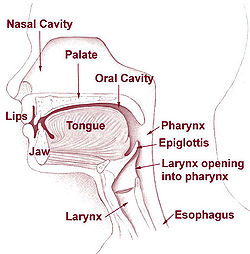
Laryngopharyngeal Reflux Disease (LPR or LPRD) is a common condition described as reflux disease similar to Gastroesophageal reflux disease (GERD).
What is the difference between GERD and LPRD?
If the reflux makes it all the way up through the upper sphincter of the esophagus and into the back of the throat, it is called LPRD.
There is no consensus on the diagnosis and treatment of LPRD and the disease concept is still somewhat controversial.
A proton pump inhibitor twice daily for 2 months is currently recommended for patients with laryngeal signs and symptoms. If the condition responds to therapy, tapering to once-daily therapy and then to minimal acid-suppression to control symptoms is prudent.
Patients whose symptoms do not respond to a proton pump inhibitor are unlikely to benefit from surgery. Other diagnoses should be entertained, while the drug is tapered to prevent rebound acid reflux.
The current practice of empirical treatment with proton-pump inhibitors (PPI) is based on weak evidence.
In patients with asthma and chronic productive cough, polymorphonuclear (PMN) neutrophil leukocytes in sputum suggest:
(A) infection
(B) GERD
(C) presence of a foreign body
(D) exercise-induced asthma
(E) extrinsic asthma
Correct answers: A, B, C
Artikel lainnya: